Admin
23 Jun 2026 · 3 min read
By centralizing data and automating workflows, ERP software improves efficiency, reduces manual work, enhances visibility, and supports better decision-making across the organization.
Manage Your Entire Business from a Single Platform
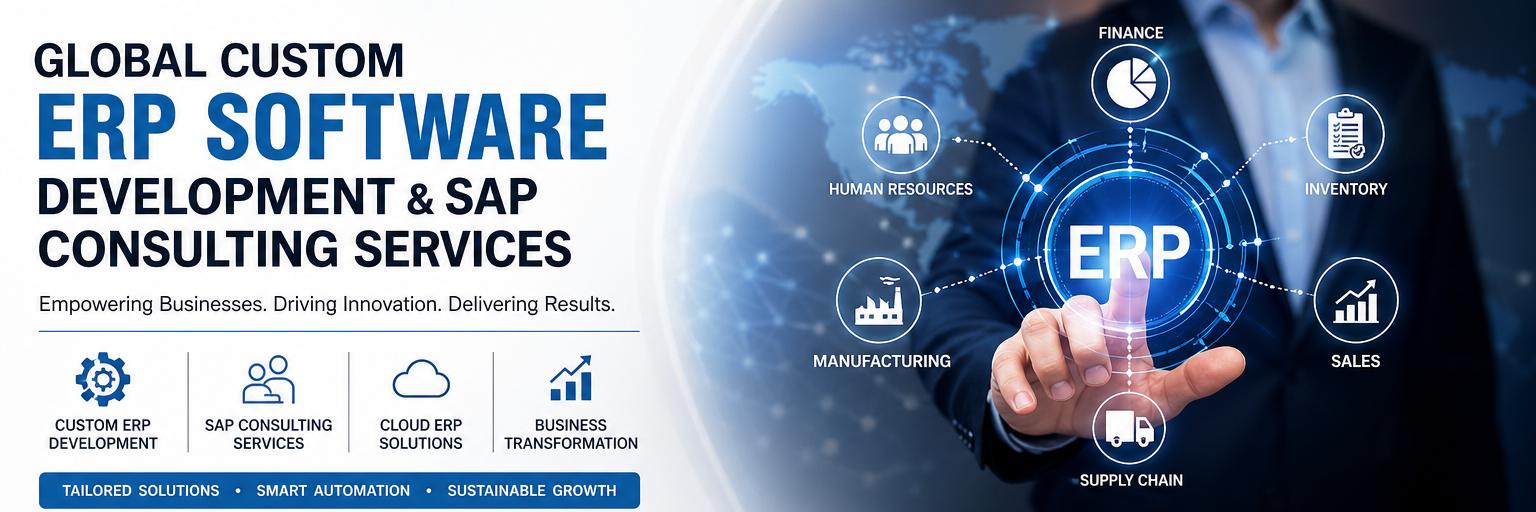
Running a business involves managing multiple departments, including finance, sales, inventory, procurement, human resources, customer relationships, and compliance. When these processes operate on separate systems, businesses often face delays, data inconsistencies, and operational inefficiencies. An end-to-end ERP (Enterprise Resource Planning) solution brings all your business functions together into one centralized platform. Instead of juggling multiple applications, you can manage every operation from a single dashboard, helping your team work faster, smarter, and more efficiently.
What Is an End-to-End ERP Software?
An end-to-end ERP software is a comprehensive business management system that integrates all core business processes into one unified platform. It provides real-time visibility into operations, automates routine tasks, and improves collaboration across departments. Whether you're a small business, a growing enterprise, or a large organization, ERP software helps streamline operations and supports data-driven decision-making.
Key Business Functions Managed by ERP Software
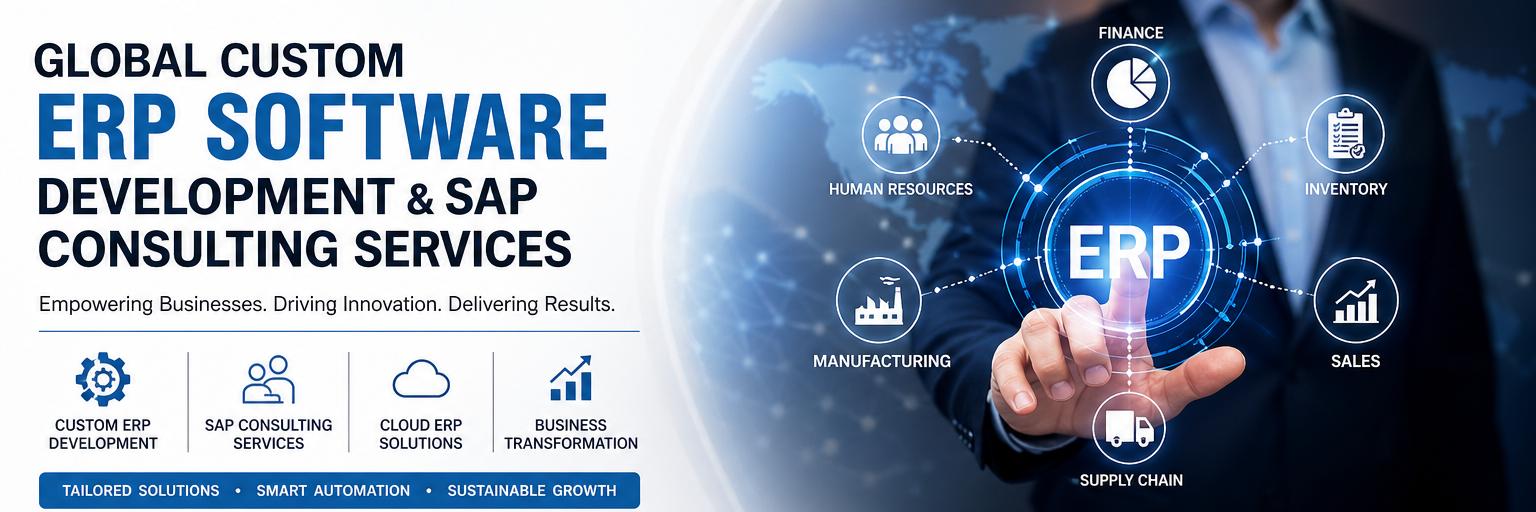
Financial Management :- Track income, expenses, cash flow, accounts payable, accounts receivable, and financial reporting from one place. Inventory Management :- Monitor stock levels, manage warehouses, automate reordering, and reduce inventory-related losses. Sales and Customer Management :- Manage leads, customer interactions, quotations, orders, and after-sales support efficiently. Procurement and Purchasing :- Automate purchase requests, vendor management, approvals, and supplier communications. Human Resource Management :- Handle employee records, payroll, attendance, leave management, and performance tracking. Tax and Compliance Management :- Stay compliant with local tax regulations and generate accurate reports for audits and government filings.
Benefits of Using a Unified ERP System
Improved Productivity :- Automate repetitive tasks and eliminate manual data entry across departments. Better Decision-Making :- Access real-time business data and reports to make informed decisions quickly. Reduced Operational Costs :- Minimize software expenses by replacing multiple systems with a single integrated platform. Enhanced Data Accuracy :- Maintain one source of truth across all departments and reduce errors caused by duplicate data. Scalability for Growth :- Adapt to changing business needs without replacing your core management system.
Why Indian Businesses Need Cloud ERP
Today's businesses require flexibility, remote accessibility, and strong data security. Cloud ERP solutions provide secure access to business information from anywhere while ensuring regular updates, backups, and compliance support. For Indian businesses, cloud-based ERP software can help manage GST compliance, financial reporting, inventory control, and multi-location operations more effectively.
Who Can Benefit from ERP Software?
ERP solutions are ideal for: - Manufacturing companies - Retail businesses - Wholesale distributors - Service providers - E-commerce businesses - Logistics companies - Growing startups - Large enterprises Regardless of industry, businesses that want greater visibility and control over operations can benefit from ERP implementation.
Transform Your Business with One ERP Platform
Managing business operations shouldn't require multiple disconnected systems. An end-to-end ERP solution brings everything together, helping businesses improve efficiency, reduce costs, and accelerate growth. By choosing a modern cloud ERP platform, organizations can streamline workflows, enhance collaboration, and gain the insights needed to stay competitive in today's fast-changing business environment.
Frequently Asked Questions :- 1. What does ERP stand for? ERP stands for Enterprise Resource Planning, a software system that integrates various business functions into one platform. 2. Why is ERP important for businesses? ERP improves efficiency, reduces manual work, enhances data accuracy, and provides real-time visibility into business operations. 3. Is cloud ERP suitable for small businesses? Yes. Cloud ERP solutions are scalable, affordable, and designed to support businesses of all sizes, including startups and small businesses. 4. Can ERP software help with GST compliance? Many ERP systems offer GST-compliant invoicing, tax calculations, and reporting features to help businesses meet regulatory requirements. 5. How does ERP improve inventory management? ERP provides real-time inventory tracking, automated stock updates, demand forecasting, and warehouse management capabilities.